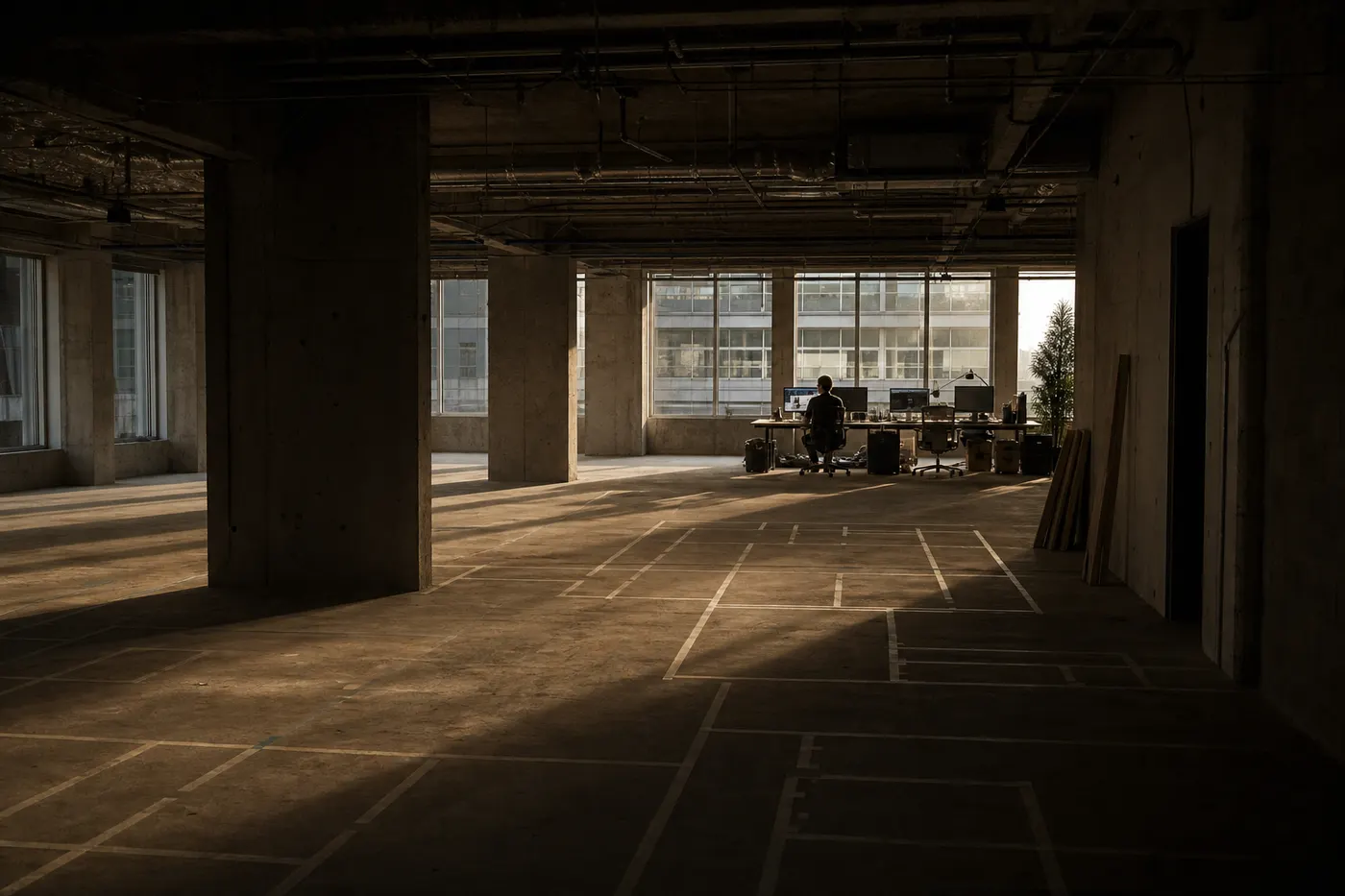
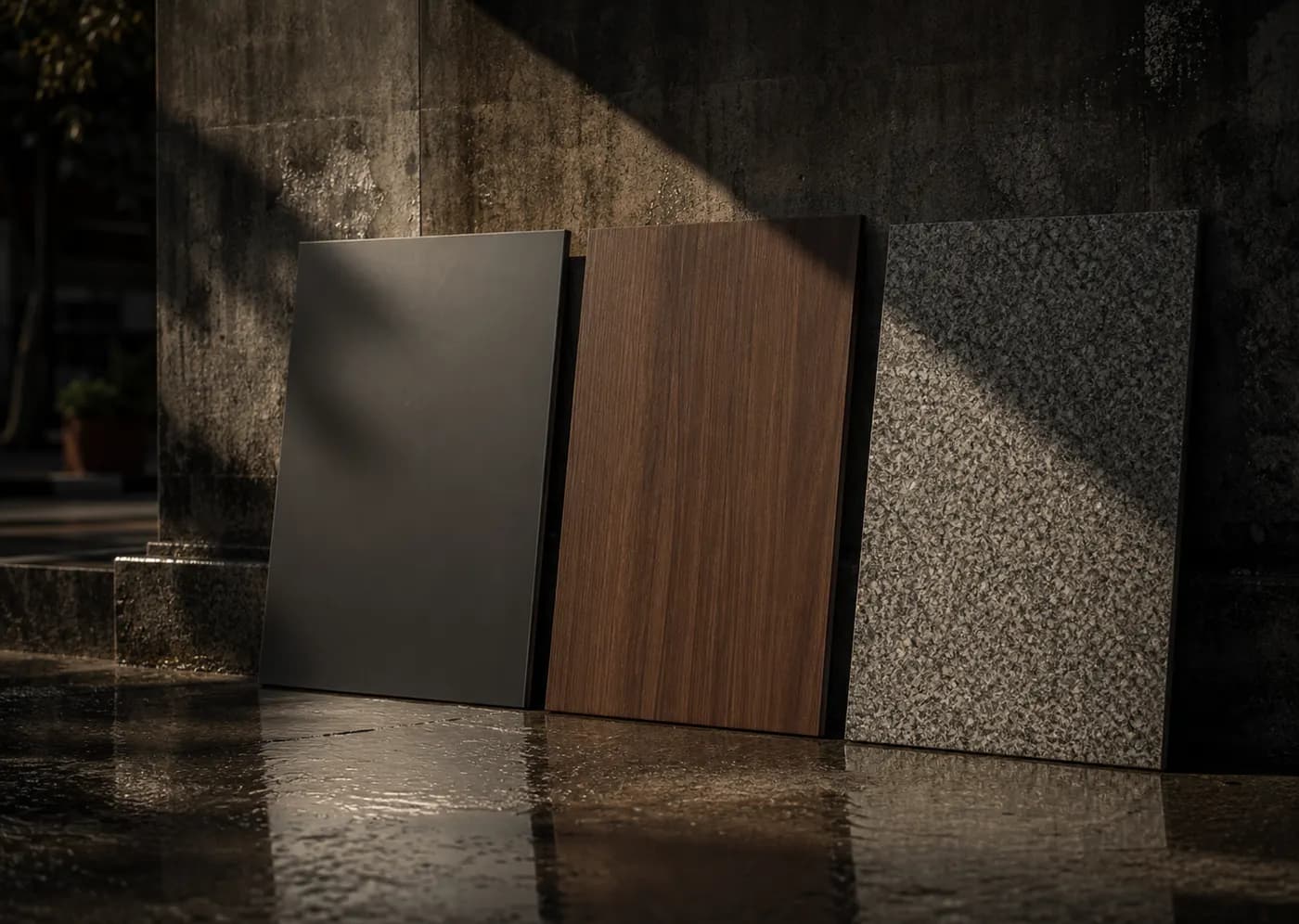
ASAPCON connects architecture, interiors, documentation and delivery so a spatial idea can survive the realities of site, material, budget, coordination and handover.
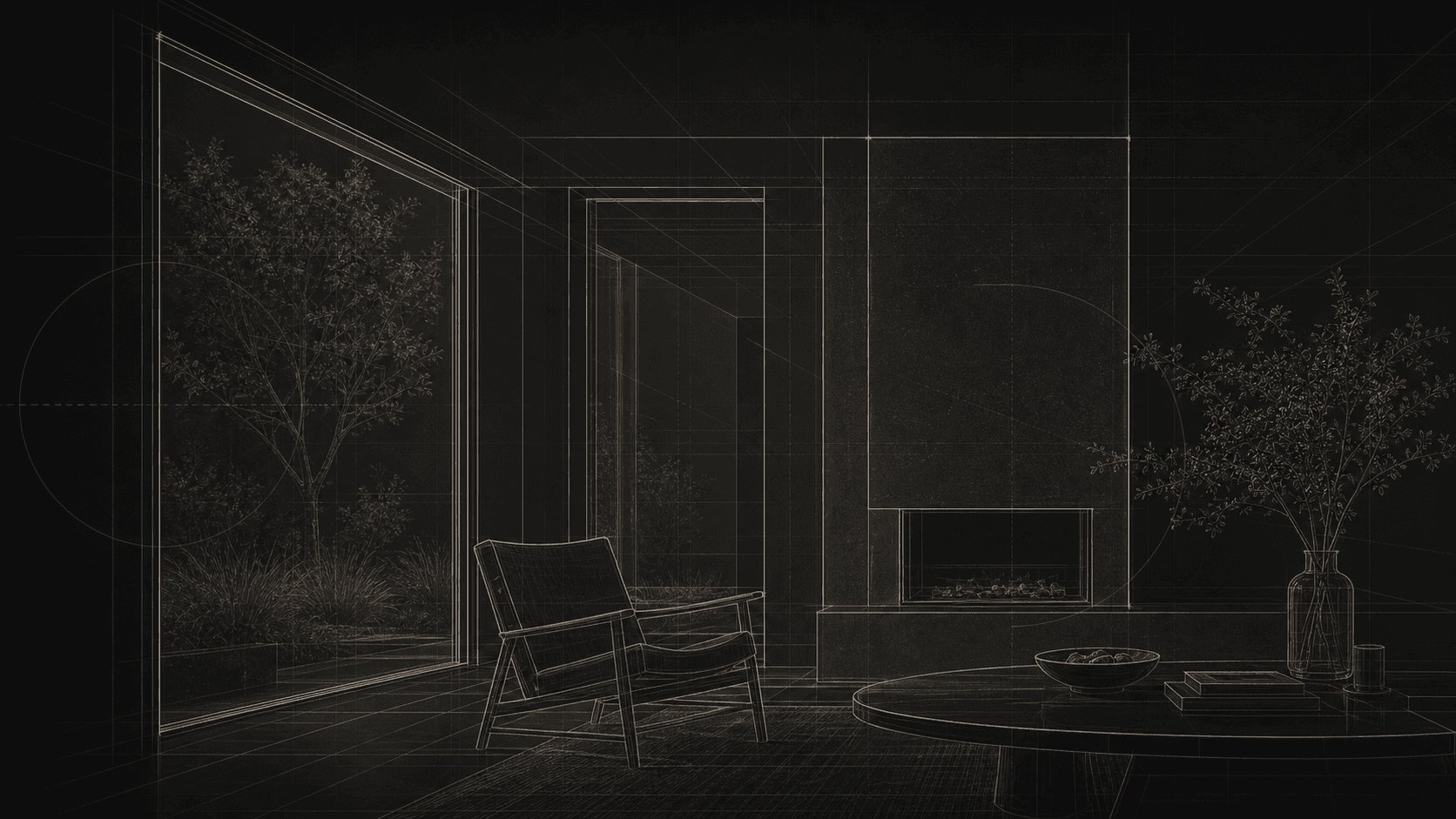
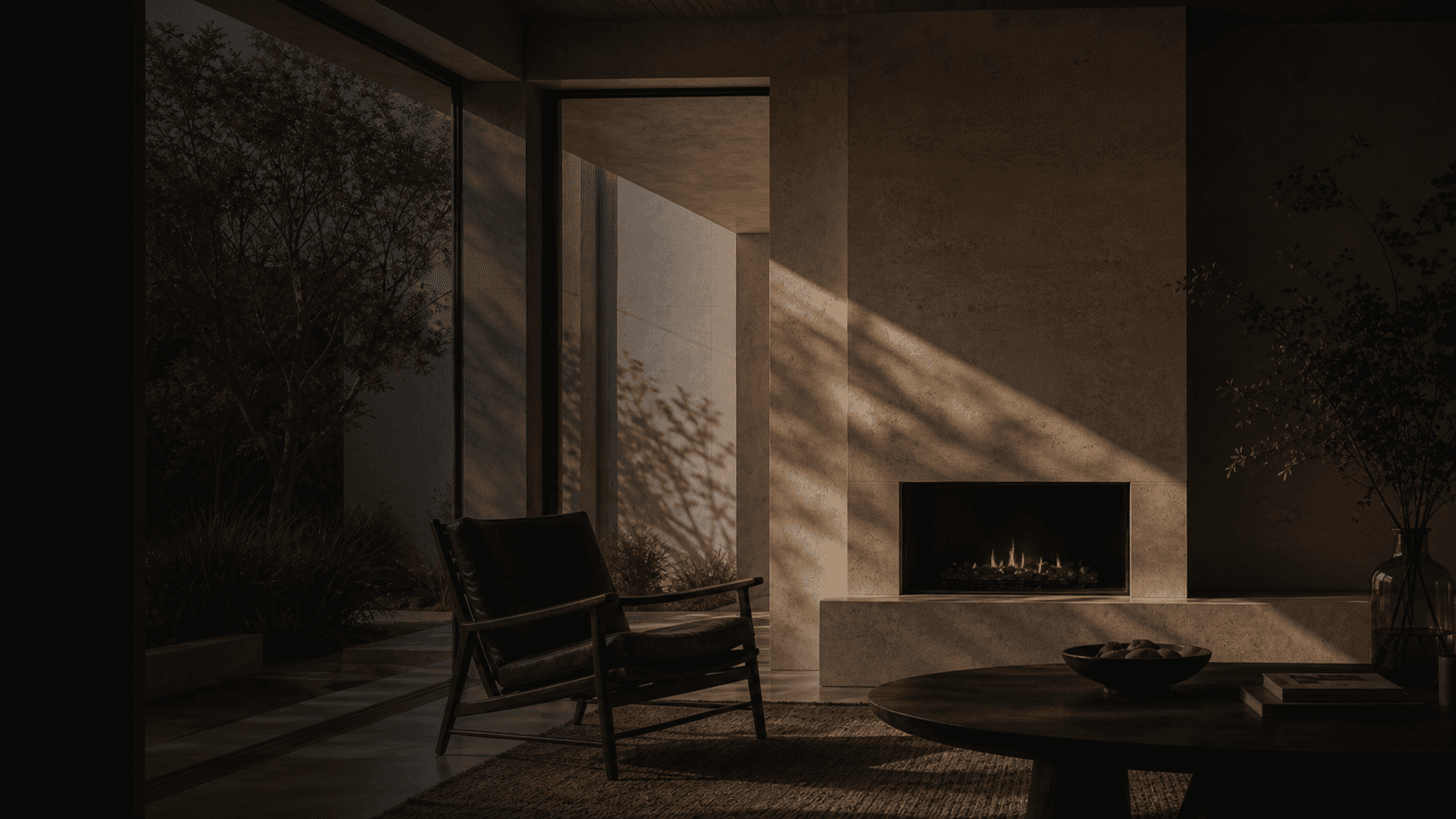
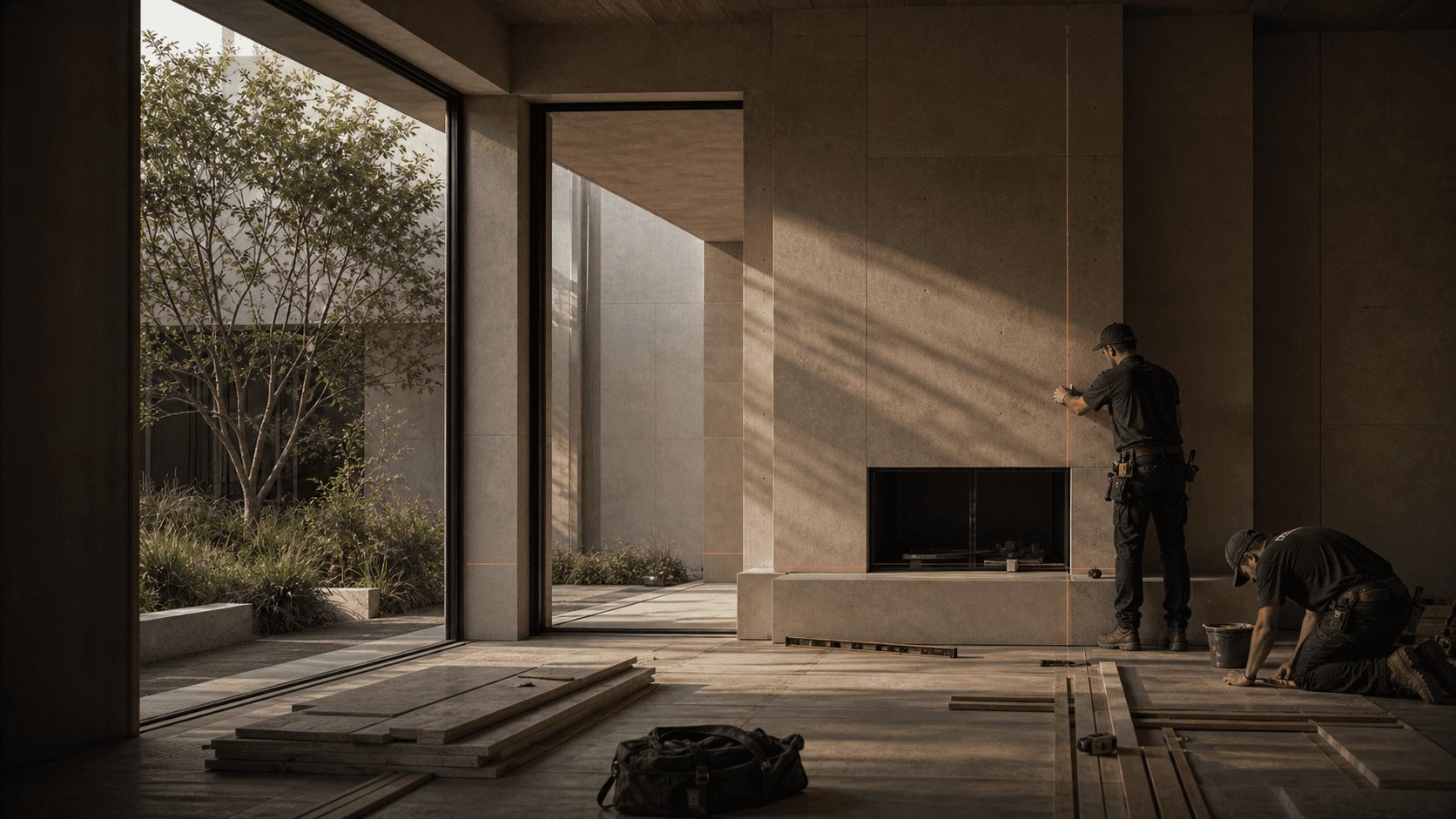
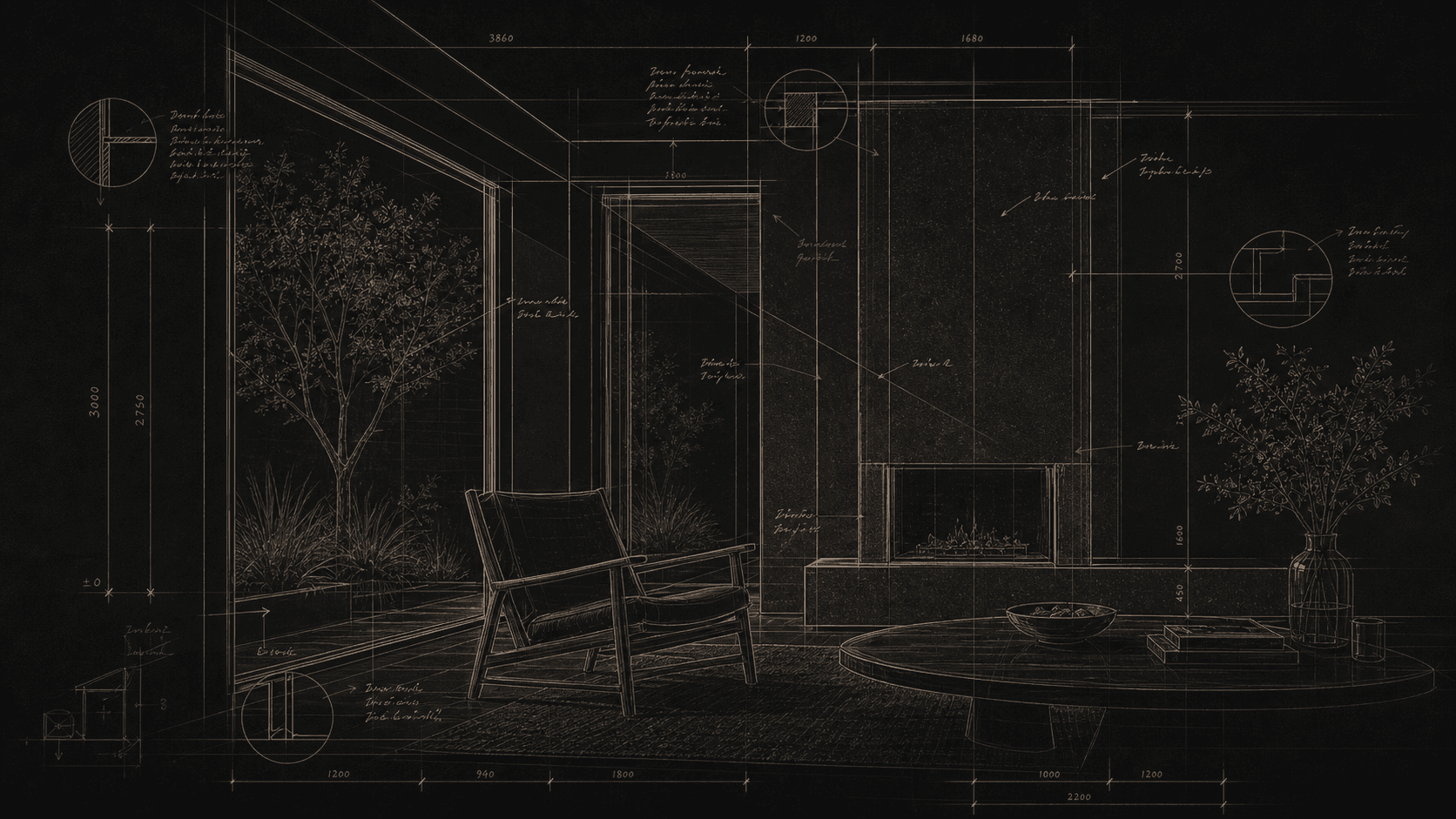
Illustrative Practice study — drawing intent and resolved space, not completed project photography.
01 / Find your starting point
Begin from where the project is now.
A useful engagement starts by naming the present condition and the support that would create the most clarity.
02 / The operating system
How the project moves without losing the idea.
Drag the register or choose a stage. Each one changes the evidence, decisions and disciplines the project needs.
Illustrative Practice study / 01
01 / Active stage
Read the Space
Understand people, use, existing conditions, operational pressure, possibility and risk before proposing a direction.
Evidence produced
Brief and use map
Existing-condition register
Constraint and risk notes
Early feasibility direction
Risk caught here
Solving the wrong brief with confidence.
Disciplines held together
Architecture & Interior Design
Project Management
03 / The work behind the work
Inspect the decisions that keep a project intact.
Select a register, then inspect the decision, evidence and correction it represents. These are illustrative studies for design review, not completed-project proof.
Illustrative Practice study — not completed project photography.
Production gate — replace illustrative studies with cleared ASAPCON process assets unless these studies are separately approved for launch.
04 / Different spaces, different pressures
The method stays. The pressure changes.
Choose a project type to see what the practice pays attention to first.
Pressure profile / Homes
Daily life is the real brief.
We pay attention to
Routine, privacy and gathering
Storage, light and material durability
Decisions that accommodate change over time
Common failure point
Designing for the photograph instead of the way people live.
Resolve scope, sequence and responsibility before haste becomes correction.
Design with buildability
Support the idea with details and execution logic that can survive site reality.
Transparent decisions
Make what is being decided, why it matters and what it affects visible.
Respect site intelligence
Treat conditions, trades and material behaviour as project information.
Details carry the whole
Use detail to protect proportion, durability, usability and intent.
Handover matters
Finish with a space that is resolved, usable and ready for occupation.
Questions clients often bring
Questions, answered plainly.
01Can ASAPCON work only on design?
Yes. ASAPCON can support design direction, planning, material language, drawings and specifications depending on the project requirement.
02Can ASAPCON enter after design has already started?
Yes. We can review the existing direction, clarify scope, improve buildability and support execution where required.
03Does ASAPCON handle project management?
ASAPCON provides project management support including sequencing, coordination, site reviews, issue tracking, quality checks and handover planning.
04Does ASAPCON procure materials directly?
ASAPCON can assist with procurement planning, vendor coordination, RFQ support, comparison and material tracking. The commercial model is defined project by project.
05Can ASAPCON work with existing contractors or vendors?
Yes. Where suitable, ASAPCON can help align existing contractors or vendors with the approved design intent, documentation and execution sequence.
06What is the best stage to involve ASAPCON?
The earlier the better, but ASAPCON can enter at different stages: early briefing, design development, buildability review, execution support or project recovery.
06 / From The Field
Continue with a useful question.
Three notes for briefing, workplace decisions and material reality.